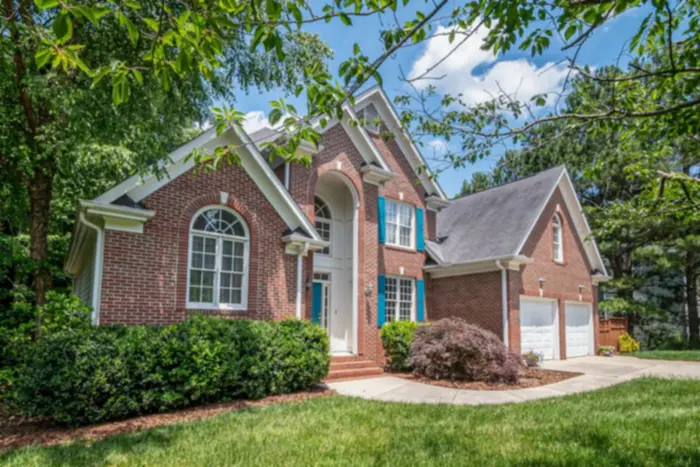
Tree removal in Cary, NC
Most trees that need to come down stand close to something that matters: a roof, a fence, a neighbor's yard or a power line. Removal is planned around what is underneath, then the wood is chipped, cut or hauled away.
- Trees felled whole where there is room, in sections where there is not
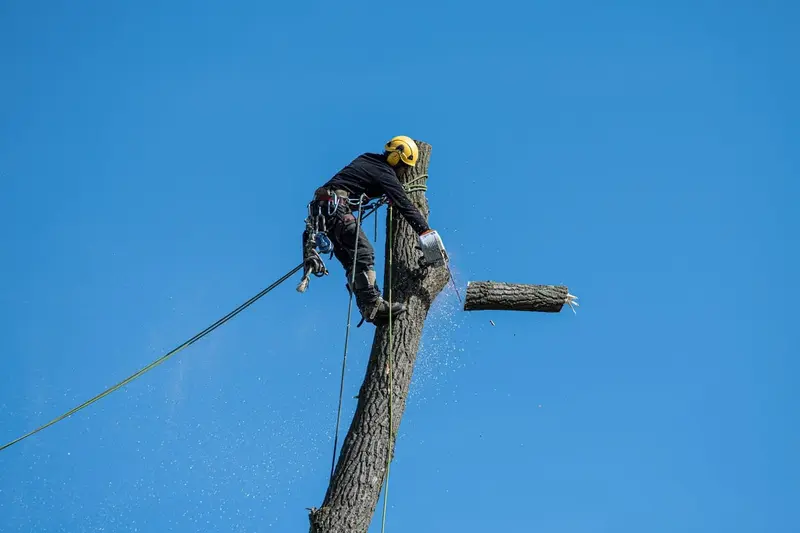
- Limbs and trunk sections lowered on ropes over roofs and gardens
- Crane removals for trees leaning over houses
- Brush chipped, wood cut or hauled, yard cleaned
- Stump grinding priced separately
Covering Cary · Apex · Holly Springs · Morrisville · Raleigh
Get an estimate for tree removal
Pruned to standard
Cuts made outside the branch collar, no topping and no more removed than the tree can spare, following ANSI A300 pruning standards.
Insured crews, safe rigging
Liability and workers compensation coverage, and limbs lowered on ropes rather than dropped when a roof, fence or garden is below.
A written, itemized price
Removal, stump grinding and cleanup priced separately in writing, so you know exactly what is included before work starts.
Why choose us
Trees handled safely, yards left clean
Most tree jobs here happen over a roof, a fence or a neighbor's yard. Careful rigging, proper pruning cuts and a thorough cleanup are what separate good tree work from a costly mess.
- Insured for tree work
- Limbs lowered, not dropped
- Pruning to ANSI A300
- Stump grinding available
- Written, itemized estimates
- Local to Cary
When a tree should come down
Many trees can be saved with pruning, cabling or treatment, so removal is worth a second opinion when the tree is healthy. It is usually the right call when:
- The tree is dead, or more than about half of the crown has died back.
- The trunk or main roots are badly decayed, cracked or split.
- The tree has developed a new lean, with soil heaving on the far side.
- It is growing into the house, a foundation or a power line and cannot be pruned clear without ruining it.
- It is an invasive or weak-wooded species, such as a Bradford pear, in a spot where it threatens something.
- It blocks construction, an addition or a driveway.
When the answer is not obvious, an arborist tree assessment weighs the defects against what the tree would hit if it failed.
How trees are taken down near houses
How a tree comes down depends on how much open space surrounds it:
- Felling whole. With a clear drop zone at least as long as the tree is tall, a tree can be notched and felled in one piece. That is the quickest and cheapest method, and the least common in Triangle subdivisions.
- Sectional removal. A climber, or a bucket truck where it can reach, works down the tree, removing limbs and then cutting the trunk into manageable pieces. Pieces that would land on a roof, deck or garden are tied off and lowered on ropes through a friction device at the base of the tree.
- Crane removal. When a tree leans over a house, is too damaged to climb safely, or stands where no rope can lower its pieces, a crane lifts sections up and over the house. It costs more per hour but often finishes in a fraction of the time and with far less risk.
Removing trees near power lines
Trees touching or near power lines are a different job. Only crews qualified for line clearance should work near energized lines. For the service line that runs from the pole to your house, Duke Energy says homeowners are responsible for keeping it clear, and it will disconnect the service drop at no charge so a tree crew can work, then reconnect it afterward. Arrange that before the crew arrives. Lines between poles are the utility’s responsibility; call the utility about those.
What a removal includes
A clear quote spells out each part, because “tree removal” can mean different things to different companies:
- Taking down the tree and lowering or felling the wood.
- Chipping branches and leaving or hauling the chips.
- Cutting the trunk to firewood length, leaving the logs, or hauling them.
- Raking, blowing and cleaning up sawdust and debris.
- Stump grinding, usually a separate line item.
Ask for each in writing, along with proof of liability and workers compensation insurance.
Protecting the yard and the house
Good removals look careful because they are. Equipment travels on plywood or ground mats across lawns and over sprinkler heads that are flagged first. Gutters, fences and shrubs under the tree are protected, or pieces are lowered around them. Large trunk sections are set down rather than dropped, which keeps them from denting the lawn or cracking a driveway. And the crew plans its work so that nothing is ever cut above a spot where a piece cannot land safely.
Removing a tree is sometimes the slow part
The cutting can take an hour or a day; the planning is what makes it safe. Dead trees, trees with hidden decay and trees under tension after a storm behave unpredictably, which is why experienced crews look up into the crown, sound the trunk and plan the rigging before the first cut. If a tree came down in a storm or is hanging on another, see emergency tree removal. For tall pines near houses, pine tree removal covers the specifics.
Tree removal — common questions
How much does tree removal cost?
National cost guides put most removals between roughly $200 and $2,000. The height of the tree, how close it is to the house and wires, and how the crew has to take it down move the price more than anything else. The tree removal cost guide explains the factors.
Do I need a permit to remove a tree in Cary?
Usually not for a tree on an existing single-family lot, but trees in buffers or protected areas from a development approval, and trees in the street right-of-way, have their own rules. Many HOAs also require approval. The permits guide covers Cary and nearby towns.
Can a tree be removed without damaging my lawn?
Mostly, yes. Crews lay plywood or mats for equipment, lower pieces on ropes instead of dropping them on the grass, and rake and blow when they finish. Ruts are most likely in wet weather on soft clay, so timing helps.
What happens to the wood?
Branches are chipped, and the chips can be left for mulch or hauled away. Trunk wood can be cut to firewood length and left, or removed. Say which you prefer when you get the quote, because hauling large logs adds cost.
Should a dead tree be removed right away?
Sooner is better. Dead wood dries and becomes brittle, which makes the tree more likely to drop limbs and harder and more dangerous to climb, so removal often costs more the longer it waits.
Problems this fixes
Often booked with this