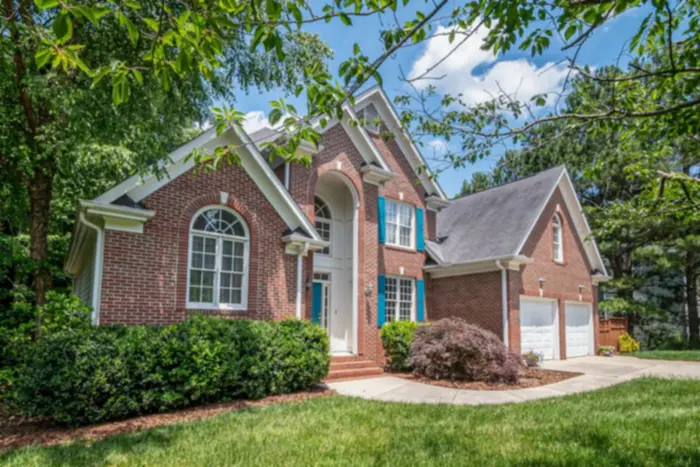
Pine tree removal in Cary, NC
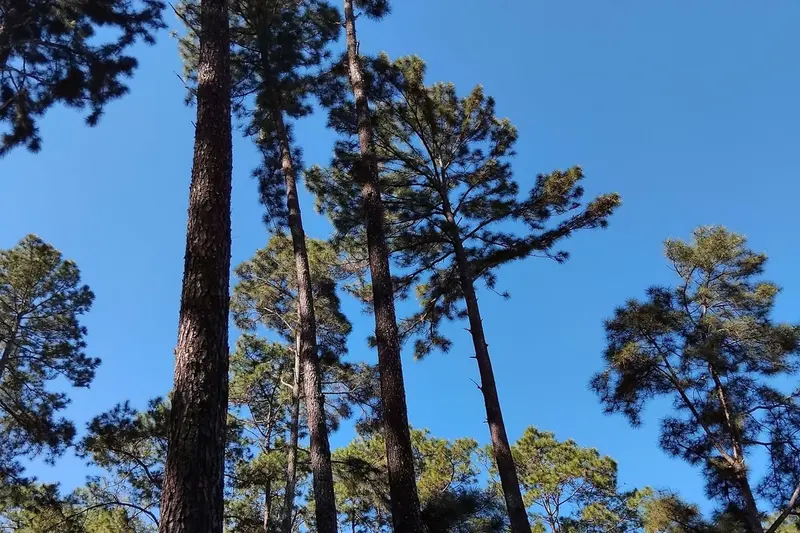
Tall loblolly pines are the signature tree of Triangle neighborhoods, and many of them now stand within reach of the houses built around them. Taking one down safely is mostly a question of height, lean and what sits below.
- Tall pines taken down in sections over roofs
- Crane removals for pines leaning toward houses
- Beetle-killed and lightning-struck pines removed promptly
- Pine bark, needles and sap cleaned up
- Stumps ground out, with no resprouting
Covering Cary · Apex · Holly Springs · Morrisville · Raleigh
Get an estimate for pine tree removal
Pruned to standard
Cuts made outside the branch collar, no topping and no more removed than the tree can spare, following ANSI A300 pruning standards.
Insured crews, safe rigging
Liability and workers compensation coverage, and limbs lowered on ropes rather than dropped when a roof, fence or garden is below.
A written, itemized price
Removal, stump grinding and cleanup priced separately in writing, so you know exactly what is included before work starts.
Why choose us
Trees handled safely, yards left clean
Most tree jobs here happen over a roof, a fence or a neighbor's yard. Careful rigging, proper pruning cuts and a thorough cleanup are what separate good tree work from a costly mess.
- Insured for tree work
- Limbs lowered, not dropped
- Pruning to ANSI A300
- Stump grinding available
- Written, itemized estimates
- Local to Cary
Loblolly pines and Triangle houses
The loblolly pine is the dominant pine of the North Carolina Piedmont and one of the fastest-growing trees in the region. When many Cary, Apex and Holly Springs subdivisions were built, the lots were cleared of most trees but some pines were left standing for shade and privacy. Those pines kept growing. A loblolly can reach 90 feet or more, with a straight trunk, few lower branches and all of its weight in a crown at the top. Twenty years after the house went in, a lot of homeowners look up and realize the pine is taller than the distance to the roof.
When a pine should come down
- A new or increasing lean, especially with cracked or mounded soil on the side opposite the lean.
- Construction damage: a driveway, addition, pool or septic field installed within the root zone.
- Beetle attack: needles fading from green to yellow to red, and small blobs of resin, called pitch tubes, on the bark.
- Lightning strikes: pines are struck often, and a long strip of missing bark down the trunk is the usual sign. Struck pines frequently decline and draw beetles.
- Decay or fungus at the base, or a hollow sound when the lower trunk is struck with a mallet.
- Risk you are not willing to live with, such as a large pine leaning over a bedroom.
How tall pines are taken down near houses
Pines suit sectional removal. A climber ascends the trunk on spikes, which is acceptable only on a tree being removed, and removes the branches from the crown down. The trunk is then cut into sections, starting at the top. Where the house, a deck or a garden sits within reach, each section is tied off and lowered on a rope through a friction device at the base, so the crew controls exactly where it lands. When a pine leans over a house or is too compromised to climb, a crane lifts the top and sections clear instead.
Pine wood is heavy with resin, which makes rigging more demanding than it looks from the ground. Crews also watch for trunks that are hollow or decayed at the base, which changes how and where the tree can be safely cut.
Beetle-killed and lightning-struck pines
Stressed pines attract bark beetles. In the Piedmont, Ips engraver beetles are the usual culprits, mostly attacking pines weakened by drought, lightning or root damage, while the southern pine beetle can reach outbreak levels and kill healthy trees as well. Once a pine is infested and its needles have turned, it cannot be saved. Removing it promptly protects the pines around it and gets it down before the wood turns brittle, which happens faster with pine than with most hardwoods. Ask whether the crew will chip the infested wood or haul it off the property. The pine tree turning brown page covers the signs.
Pine needles, sap and cleanup
Pine removals leave more mess than you might expect: bark flakes, sticky sap on equipment and needles everywhere. A good crew rakes and blows lawns, beds and driveways, cleans out the gutters if the work dropped debris into them, and leaves the wood however you asked for it. Pine logs make poor firewood for indoor fireplaces because of the resin, so most homeowners have them hauled.
The stump and what comes next
Pine stumps do not resprout, so grinding is only needed if you want to plant, sod or pave the spot; stump grinding handles that. If you are removing one pine from a group, have the others looked at too. Pines that grew up together shelter each other, and the remaining trees can be more exposed to wind once a neighbor is gone. A quick arborist tree assessment tells you whether the rest are sound.
Pine tree removal — common questions
Are pine trees near the house dangerous?
A healthy, well-rooted pine is not automatically a hazard. Risk goes up with a new lean, root damage from construction, decay, lightning strikes, beetle attack or a crown that is all top and no taper. Distance matters too: a pine taller than the distance to the house can reach it.
Why do pines on new lots die years after the house was built?
Grading, trenching and heavy equipment during construction damage roots and compact the soil. The tree may look fine for several years before it declines, and stressed pines also attract bark beetles.
Will a pine stump sprout?
No. Pines do not resprout from the stump or roots the way many hardwoods do, so the stump only needs grinding if you want the space back.
How fast should a beetle-killed pine come down?
Promptly. Dead pines dry and weaken quickly, and an infested tree can supply beetles that attack nearby stressed pines. Remove it before the wood becomes too brittle to climb safely.
Problems this fixes
Often booked with this