Tree planting in Cary, NC
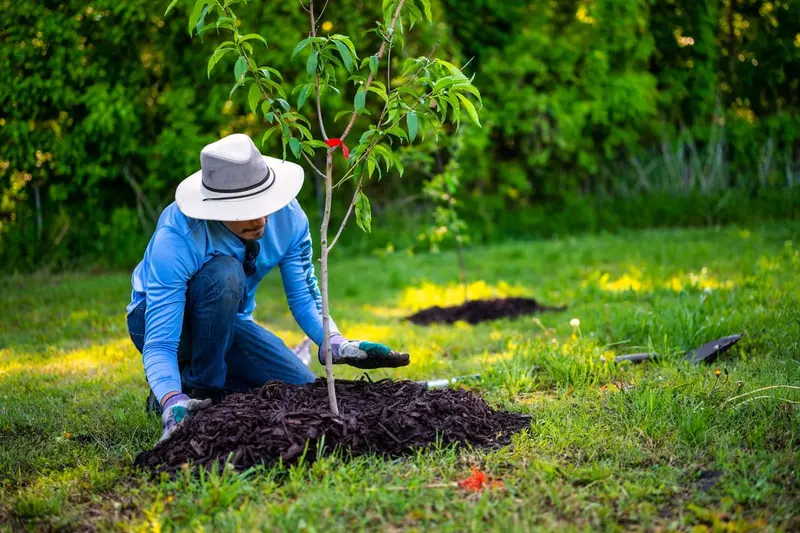
The best time to avoid a future tree problem is the day the tree goes in the ground. The right species in the right spot, planted at the right depth, grows into an asset instead of a removal.
- Species chosen for the space, soil and sun
- Native and well-adapted trees for the Triangle
- Planted at the right depth with the root flare showing
- Mulched correctly and set up for watering
- Replacement trees after removals
Covering Cary · Apex · Holly Springs · Morrisville · Raleigh
Get an estimate for tree planting
Pruned to standard
Cuts made outside the branch collar, no topping and no more removed than the tree can spare, following ANSI A300 pruning standards.
Insured crews, safe rigging
Liability and workers compensation coverage, and limbs lowered on ropes rather than dropped when a roof, fence or garden is below.
A written, itemized price
Removal, stump grinding and cleanup priced separately in writing, so you know exactly what is included before work starts.
Why choose us
Trees handled safely, yards left clean
Most tree jobs here happen over a roof, a fence or a neighbor's yard. Careful rigging, proper pruning cuts and a thorough cleanup are what separate good tree work from a costly mess.
- Insured for tree work
- Limbs lowered, not dropped
- Pruning to ANSI A300
- Stump grinding available
- Written, itemized estimates
- Local to Cary
Right tree, right place
Most tree problems homeowners pay to fix were planted in: a willow oak four feet from the foundation, a Leyland cypress hedge with no room to grow, a Bradford pear by the driveway. Before choosing a tree, look at:
- Mature size, both height and spread, compared with the space available.
- Overhead lines: only small trees, under about 25 feet at maturity, belong near or beneath power lines.
- Distance from the house: large shade trees at least 20 feet from the house, small ones 10 to 15.
- Underground features: septic fields, sewer laterals and irrigation.
- Sun and soil: full sun or shade, well-drained or wet, and the heavy clay common across the Triangle.
- Purpose: shade on the west side of the house, screening, spring flowers, fall color or wildlife.
Trees that do well in the Triangle
- Large shade trees: willow oak, white oak, red maple, blackgum, tulip poplar where there is room.
- Medium trees: river birch, American hornbeam, sourwood, southern magnolia (large, so give it space).
- Small flowering trees: eastern redbud, flowering dogwood, serviceberry, fringetree, crape myrtle (choose the size carefully).
- Evergreens: American holly, eastern red cedar, and smaller magnolia varieties.
- Wet sites: bald cypress, river birch and swamp chestnut oak.
Avoid Bradford and other Callery pears, which are weak-wooded and invasive in North Carolina; the NC Bradford Pear Bounty program has offered free native trees to homeowners who cut theirs down.
How a tree should be planted
- Find the root flare, where the trunk widens into the roots, and remove excess soil from the top of the root ball if the flare is buried.
- Dig a wide, shallow hole, two to three times as wide as the root ball and no deeper than the ball, so the tree sits on firm, undisturbed soil.
- Set the tree with the flare at or slightly above grade. Planting too deep is the most common cause of slow decline years later.
- Remove burlap, twine and wire baskets from the top and sides as far as practical, and tease out circling roots on container trees.
- Backfill with the native soil, without heavy amendments that make the hole a pot that holds water.
- Water deeply to settle the soil, then mulch two to three inches deep over a wide circle, keeping mulch off the trunk.
- Stake only if needed, loosely, and remove the stakes after a year.
Mistakes that shorten a tree’s life
- Volcano mulching: mulch piled against the trunk keeps the bark wet and invites rot and rodents.
- Crowding: trees planted too close together compete for light and grow lopsided.
- Leftover wraps and tags: nursery tape, labels and wire girdle the trunk or limbs as they grow.
- Mower and trimmer damage: a wide mulch ring keeps equipment off the bark.
- Stopping water too soon: roots are still establishing through the second summer.
Caring for a new tree
Watering is the job that matters most. A new tree’s roots occupy only the original root ball for the first season, so it dries out quickly. Water deeply about once or twice a week through the first growing season, adjusting for rain, and keep watering through droughts for the first two or three summers. Light structural pruning in the first few years, choosing a single leader and removing competing stems, prevents weak forks later; tree trimming covers that.
Replanting after a removal
When a tree comes down, replanting is a chance to put the right tree in a better spot. Plant a few feet away from the old stump rather than in the grindings, or have the grindings removed and replaced with soil after stump grinding. Fall is the best season, but a replacement planted in late winter or early spring does well with consistent watering through its first summer.
Tree planting — common questions
When is the best time to plant trees in North Carolina?
Fall, from about October through December, is ideal. The soil is still warm enough for roots to grow through the winter, so the tree is established before summer heat. Late winter and early spring work too, with more watering.
How far from the house should I plant a tree?
It depends on the tree's mature size. Small trees can go within 10 to 15 feet; large shade trees should be at least 20 feet away, and farther from foundations, septic fields and overhead lines.
How often should a new tree be watered?
Deeply about once or twice a week through its first growing season, more in hot, dry weather, and less once rain is regular. Most new trees need help through their first two summers.
Which trees grow well in the Triangle?
Natives such as willow oak, white oak, red maple, blackgum, river birch, redbud, dogwood, American holly and serviceberry, plus well-adapted non-natives such as many crape myrtles and some Japanese maples in shaded spots.
Often booked with this