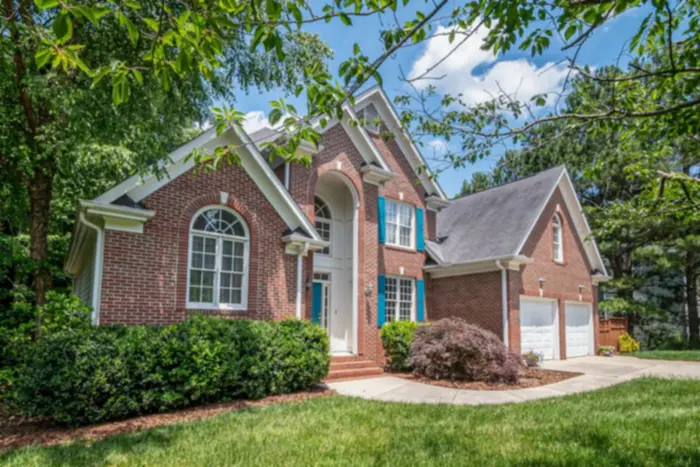
Tree limb removal in Cary, NC
One heavy limb over the roof can be worth more attention than the whole tree. Limbs are cut back to a proper junction and lowered on ropes, so nothing drops onto shingles, gutters or the deck.
- Limbs over roofs, decks and driveways removed
- Every piece roped and lowered, never dropped
- Clearance created back to proper junctions
- Chimney and gutter clearance
- Dead and hanging limbs taken out at the same time
Covering Cary · Apex · Holly Springs · Morrisville · Raleigh

Get an estimate for tree limb removal
Pruned to standard
Cuts made outside the branch collar, no topping and no more removed than the tree can spare, following ANSI A300 pruning standards.
Insured crews, safe rigging
Liability and workers compensation coverage, and limbs lowered on ropes rather than dropped when a roof, fence or garden is below.
A written, itemized price
Removal, stump grinding and cleanup priced separately in writing, so you know exactly what is included before work starts.
Why choose us
Trees handled safely, yards left clean
Most tree jobs here happen over a roof, a fence or a neighbor's yard. Careful rigging, proper pruning cuts and a thorough cleanup are what separate good tree work from a costly mess.
- Insured for tree work
- Limbs lowered, not dropped
- Pruning to ANSI A300
- Stump grinding available
- Written, itemized estimates
- Local to Cary
Limbs that cause trouble over houses
Most homeowners call about one of a few situations:
- A large limb reaching over the roof, especially over bedrooms.
- Branches scraping shingles or siding in the wind, wearing them down.
- Limbs dropping leaves, needles and twigs that clog the gutters.
- Branches near the chimney or the dryer and bath vents.
- A limb that has grown into the path of the service line to the house.
- Limbs over the driveway, deck or play area that drop deadwood.
- Branches that give squirrels and rats a bridge onto the roof.
How limbs are removed over roofs
Removing a limb over a house is a rigging job more than a cutting job. A climber, or a bucket truck where one can reach, works out along the limb and removes it in pieces small enough to control. Each piece is tied off before it is cut and lowered on a rope that runs through a friction device or a pulley anchored higher in the tree, so a groundworker controls its descent and swings it clear of the gutters. The last cut goes back to the trunk or to a side branch at least a third the diameter of the piece removed, just outside the branch collar, never as a flush cut or a stub. Limbs too heavy for that are removed with a crane.
How much clearance
Clearance should account for movement. Branches sway in wind and sag under ice and heavy rain, so a limb that clears the roof on a still day may sweep across it in a storm. Generally, small branches need several feet of clearance and heavy limbs more, with extra room above chimneys and around the service line. Rather than shearing everything back to a line, good pruning removes whole branches back to a junction, which leaves a natural-looking crown that does not sprout a thicket of new shoots toward the house. The branches over the roof page covers the damage overhanging limbs cause.
Overhanging limbs from the neighbor’s tree
Overhanging branches are a frequent cause of friction between neighbors. In North Carolina, the general rule is that you may trim branches that cross onto your property back to the property line, at your own expense, as long as you work from your side and do not damage the tree’s health. Cutting on the neighbor’s side, or harming the tree, can expose you to a damages claim. The practical approach is to talk first; many neighbors will share the cost or agree to more balanced pruning that is better for the tree. The guide to fallen trees, insurance and neighbors covers the rest.
Dead, hanging and storm-damaged limbs
Dead limbs over a house deserve priority, because dead wood becomes brittle and falls without warning, often in light wind. Limbs broken in a storm and hung up in the crown, sometimes called hangers or widowmakers, are more urgent still. Both are removed from above by a climber or from a bucket, tied off before they are cut. A cracked limb that is still attached may be removed or, on a valuable tree, supported with cabling and bracing.
Limb removal or tree removal?
If a tree needs most of its crown removed to clear the house, or the limbs over the roof are its main structure, removal may be the better choice. A tree with a lopsided crown after heavy limb removal can be less stable than before. An arborist can tell you whether removing one or two limbs will make a tree safe or whether tree removal is the honest answer.
Tree limb removal — common questions
How far should tree branches be from the roof?
Enough that they cannot touch it when they sway in wind or sag under ice, which in practice means several feet for small branches and more for heavy limbs, with extra room around chimneys. The right clearance depends on the tree and the limb.
Can I cut my neighbor's branches that hang over my roof?
In North Carolina you can generally trim branches back to the property line at your own expense, as long as you stay on your side and do not damage or kill the tree. Talking to the neighbor first avoids most disputes.
Will removing a big limb hurt the tree?
Any large wound is a cost to the tree, so arborists remove what is needed and no more, cutting back to a strong side branch or just outside the branch collar. Removing several large limbs at once from a mature tree can do more harm than good.
Is limb removal cheaper than removing the tree?
Usually, yes, often by a wide margin. Removing one or two problem limbs can make a valuable shade tree safe for years for a fraction of the cost of taking it down.
Problems this fixes
Often booked with this