Stump grinding in Cary, NC
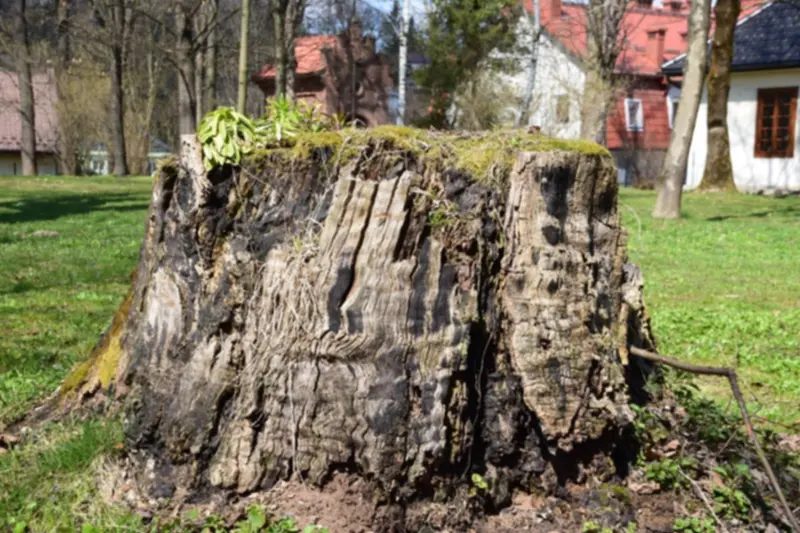
A grinder chews the stump into chips several inches below the surface, so the spot can be seeded, planted or paved. It is faster, cleaner and far cheaper than digging a stump out.
- Stumps ground several inches below grade
- Surface roots chased out where they trip mowers
- Underground utilities marked through NC 811 first
- Grindings left as mulch or hauled away
- Hole backfilled with topsoil on request
Covering Cary · Apex · Holly Springs · Morrisville · Raleigh
Get an estimate for stump grinding
Pruned to standard
Cuts made outside the branch collar, no topping and no more removed than the tree can spare, following ANSI A300 pruning standards.
Insured crews, safe rigging
Liability and workers compensation coverage, and limbs lowered on ropes rather than dropped when a roof, fence or garden is below.
A written, itemized price
Removal, stump grinding and cleanup priced separately in writing, so you know exactly what is included before work starts.
Why choose us
Trees handled safely, yards left clean
Most tree jobs here happen over a roof, a fence or a neighbor's yard. Careful rigging, proper pruning cuts and a thorough cleanup are what separate good tree work from a costly mess.
- Insured for tree work
- Limbs lowered, not dropped
- Pruning to ANSI A300
- Stump grinding available
- Written, itemized estimates
- Local to Cary
Why grind a stump instead of digging it out
Pulling a stump with its root ball means excavating a crater, often several feet across, tearing up the lawn and whatever is planted near it, and hauling away tons of soil and wood. A stump grinder instead uses a spinning wheel fitted with carbide teeth to cut the stump into chips, sweeping back and forth until it is below ground. Grinding leaves the root system in place to decay naturally, disturbs only the area right around the stump and takes minutes to an hour for most residential stumps.
How stump grinding is done
- Utilities located. North Carolina law requires notice to NC 811 before digging, and grinding below grade counts. The free service marks underground power, gas, water and communication lines. Private lines, such as irrigation or low-voltage lighting, need to be pointed out by the homeowner.
- Stump cut low. The stump is trimmed close to the ground with a chainsaw so the grinder works efficiently.
- Grinding. The machine sweeps across the stump, lowering the wheel a few inches each pass, until it reaches the agreed depth.
- Surface roots. Large roots that run near the surface, where they catch mower blades or trip people, are followed out and ground.
- Cleanup. The grindings, a mix of wood chips and soil, are raked into the hole, spread as mulch or hauled off.
Machines for tight yards and big stumps
Small, narrow walk-behind grinders fit through standard backyard gates and work on the stumps most homeowners have. Large, self-propelled and tow-behind machines handle big stumps quickly but need wider access. Ask the company to check gate width and slopes before the visit, and say whether there are septic lines, irrigation or landscape lighting near the stump.
What to do with the hole
Ground stumps leave a pile of grindings that is larger than the stump itself. You can:
- Spread the grindings as mulch in beds, where they work well once they age.
- Leave them in the hole to settle, adding topsoil as they decompose, then seed.
- Have them removed and the hole backfilled with topsoil, ready for sod, seed or a planting.
Fresh wood chips tie up nitrogen as they break down, so grass seeded directly into them struggles. Remove most of the grindings or mix in topsoil before seeding.
Stumps that sprout
Some hardwood stumps fight back. Sweetgum, red maple, Bradford pear, tree of heaven and others can send up shoots from the stump edge or the roots after the tree is cut. Grinding removes the stump’s ability to sprout from the trunk, and any root sprouts that follow usually stop after being mowed or cut back a few times. Pines and most conifers do not resprout at all. If a stump is left unground, it can take years to decay, and it can attract termites and carpenter ants in the meantime.
When leaving a stump is fine
Not every stump has to go. A stump at the back of a wooded lot, in a natural area or along a fence line can be cut flat and left to rot, and a wide one can serve as a seat or a base for a planter. Grinding pays off where you mow, walk, build or plant, and where sprouts or insects are a concern.
Stump grinding with tree removal
Most tree services price stump grinding as a separate line item, and some subcontract it to a grinding crew that comes a few days later. Ask whether the removal quote includes it, how deep the stump will be ground and who handles the cleanup. Pairing grinding with tree removal saves a trip, and the guide to tree removal cost shows how the two are usually priced together.
Stump grinding — common questions
How much does stump grinding cost?
National cost guides put a typical stump at about $120 to $500, with many companies charging a few dollars per inch of diameter and a minimum of around $100 to $150 for a single stump. Several stumps on one visit cost less each.
How deep is a stump ground?
Commonly six to twelve inches below the surface, which is enough for grass or a planting bed. Deeper grinding is possible where you plan to pave, build or plant a new tree in the same spot.
Will the roots keep growing after the stump is ground?
Roots of most species die and decay once the stump is gone. Some trees, including sweetgum, Bradford pear and tree of heaven, can send up sprouts from the roots for a season or two; mowing or treating the sprouts ends it.
Can I plant a new tree where the stump was?
Yes, but it is better to plant a few feet to one side, or to grind deeper and replace the grindings with soil. Decaying wood chips tie up nitrogen and settle as they rot.
Problems this fixes
Often booked with this