Lot and land clearing in Cary, NC
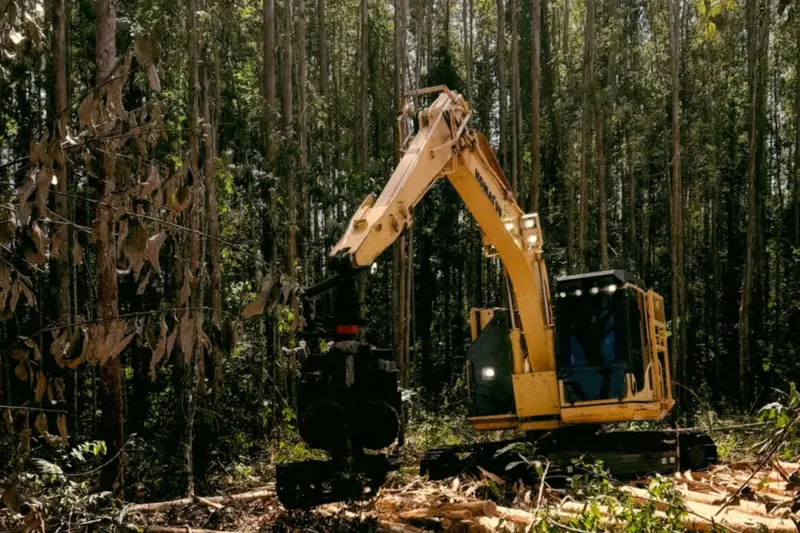
Overgrown back lots, fence lines swallowed by brush, a wooded corner wanted for a shed or a garden: clearing removes the undergrowth and small trees while keeping the good ones.
- Brush, vines and small trees cleared
- Selective clearing that keeps healthy trees
- Forestry mulching for larger areas
- Fence lines and property lines opened up
- Debris chipped, mulched or hauled away
Covering Cary · Apex · Holly Springs · Morrisville · Raleigh
Get an estimate for lot and land clearing
Pruned to standard
Cuts made outside the branch collar, no topping and no more removed than the tree can spare, following ANSI A300 pruning standards.
Insured crews, safe rigging
Liability and workers compensation coverage, and limbs lowered on ropes rather than dropped when a roof, fence or garden is below.
A written, itemized price
Removal, stump grinding and cleanup priced separately in writing, so you know exactly what is included before work starts.
Why choose us
Trees handled safely, yards left clean
Most tree jobs here happen over a roof, a fence or a neighbor's yard. Careful rigging, proper pruning cuts and a thorough cleanup are what separate good tree work from a costly mess.
- Insured for tree work
- Limbs lowered, not dropped
- Pruning to ANSI A300
- Stump grinding available
- Written, itemized estimates
- Local to Cary
What land clearing covers
Residential clearing is usually smaller and more selective than clearing for development. Typical jobs include:
- Opening up an overgrown back lot or wooded corner for lawn, a garden or play space.
- Clearing a fence line before a new fence goes in.
- Removing brush and small trees for a shed, addition, pool or driveway.
- Cutting back growth that has crept into the yard from a wooded edge.
- Clearing invasive shrubs and vines that have taken over.
- Creating fire-safe and pest-resistant space around the house.
Selective clearing: keeping the good trees
The most common request is to clean out the undergrowth while keeping the healthy trees. That starts with a walk-through to mark the trees worth saving, often oaks, maples, hickories and well-formed pines, and to agree on what goes: dead trees, invasive species, crowded saplings and brush. Heavy equipment stays outside the root zones of the keepers, because compacting the soil over roots can kill a tree years later. Work around saved trees is done by hand or with small machines. An arborist tree assessment is worth adding when large trees are part of the plan.
Methods: hand clearing, mulching and machines
- Hand clearing with chainsaws and brush cutters suits small areas, steep slopes and spots close to trees and structures.
- Forestry mulching uses a tracked machine with a rotating drum to grind brush and small trees into mulch in place. It is fast, leaves the soil covered and avoids hauling.
- Excavators and skid steers remove larger trees and stumps, push brush into piles for chipping and grade the cleared area.
- Chipping and hauling remove the material entirely when you want bare ground.
Burning brush is restricted in most towns, so plan on chipping, mulching or hauling.
Invasive plants in Triangle woods
Many overgrown lots here are dominated by plants that do not belong: Chinese privet, Japanese honeysuckle, English ivy, Chinese wisteria, multiflora rose, autumn olive and Bradford or Callery pear. They outcompete native trees and come back from roots and seeds after clearing. Expect to cut or treat regrowth for a season or two, and replant cleared areas with natives or lawn so the invasives do not simply return. The vines on trees page covers ivy and wisteria climbing trees you want to keep.
Timing and wildlife
Late fall and winter are often the easiest seasons for clearing. Deciduous brush has dropped its leaves, so it is easier to see which trees to keep; birds have finished nesting; and snakes and ticks are less active. Clearing in spring and summer works too, with a quick check for active nests before the cutting starts.
Clearing, permits and erosion
Land disturbance is regulated because bare Piedmont clay erodes fast and muddies streams. Under North Carolina rules, clearing an acre or more generally requires an approved erosion and sediment control plan, and towns and counties may set lower thresholds of their own. Stream buffers, wetlands, conservation easements and buffers required by a development approval all limit clearing regardless of size. For a typical backyard job, the bigger questions are your HOA’s rules and the property lines; clear only what is yours, because cutting on a neighbor’s land can expose you to a damages claim. The permits guide covers the local rules.
After the clearing
Cleared ground in the Triangle needs cover quickly, before the next heavy rain carries soil away. Mulch from forestry mulching does that job; otherwise, seed and straw, sod or a planting plan should follow soon. Remaining stumps can be ground with stump grinding if the area will be mowed. And if clearing exposed large trees that used to be sheltered, have them checked; trees that grew up inside a stand can be more vulnerable to wind once their neighbors are gone.
Lot and land clearing — common questions
Do I need a permit to clear land?
Clearing an acre or more generally needs an approved erosion and sediment control plan under North Carolina rules, and towns can set lower thresholds or protect buffers along streams. Small residential clearing usually needs no permit, but check buffers and HOA rules first.
What is forestry mulching?
A machine with a rotating drum grinds brush and small trees into mulch where they stand, leaving a layer of chips on the ground. It clears quickly with little soil disturbance, which helps control erosion on Piedmont clay.
Can you clear around the trees I want to keep?
Yes. Selective clearing marks the keepers first, then removes undergrowth and unwanted trees around them while staying off their root zones with heavy equipment.
Will the brush grow back?
Some will. Invasive shrubs and vines, such as privet, honeysuckle and English ivy, resprout from roots, so cleared areas usually need follow-up cutting or treatment for a season or two.
Problems this fixes
Often booked with this